
Why Do Roof Stains Happen in Geneva, NY?
Roof stains are a common concern throughout Geneva, NY, especially on older homes and buildings surrounded by mature trees or exposed to the area’s regular precipitation. These stains often appear as dark streaks or patches, raising questions about their cause and whether they signal a bigger problem.
Stains usually develop from:
- Algae growth, particularly Gloeocapsa magma, which thrives in the humid summer months.
- Accumulation of moss or lichens, more common in shaded or damp locations.
- Deposits from tree debris or organic material.
- Mineral leaching, especially visible on lighter-colored shingles.
The city’s climate—with cold winters, warm summers, and frequent rainfall—creates conditions where roofs stay moist for extended periods, supporting this type of growth and staining.
What Do Roof Stains Look Like?
To the untrained eye, stains may appear as black streaks, green patches, or even as fuzzy areas. Algae stains often run in streaks under the shingle granules, while moss and lichen can have a raised, textured look.
Common types of stains:
- Black or dark gray streaks: Most commonly algae-related.
- Green mats or fuzz: Usually moss, retained in damp, shaded areas.
- White or yellowish marks: Could suggest lichen or mineral runoff.
Understanding the specific appearance helps in deciding how to address the issue and whether it’s cosmetic or something more serious.
Are Roof Stains Harmful?
Most roof stains in the community are primarily cosmetic, but they can signal conditions that, if ignored, might lead to larger issues. Algae itself generally doesn’t damage shingles directly, but moss and lichen can trap moisture against the roof, increasing the risk of shingle deterioration or leaks.
Potential concerns:
- Moss roots may lift shingles, allowing water underneath.
- Excessive organic matter can shorten roofing lifespan.
- Mineral stains from metal components might suggest corrosion that should be checked.
Typically, routine observation is enough unless stains are paired with leaks, sagging, or clear roof damage.
Can Stains Be Removed Safely?
Yes, most stains can be cleaned, but the method matters. Geneva residents often consider cleaning for curb appeal, but improper methods can shorten roof life.
Safer approaches include:
- Gentle rinsing with a low-pressure hose.
- Cleaning solutions using a diluted mix of water and mild bleach (1:3 bleach to water), applied and rinsed gently.
- Commercially available roof cleaners designed to limit shingle damage.
Never use a high-pressure washer—it can strip away protective granules and cause leaks. Protective gloves, eye protection, and stable ladder use are all recommended for homeowner safety.
Is Home Cleaning or Professional Help Warranted?
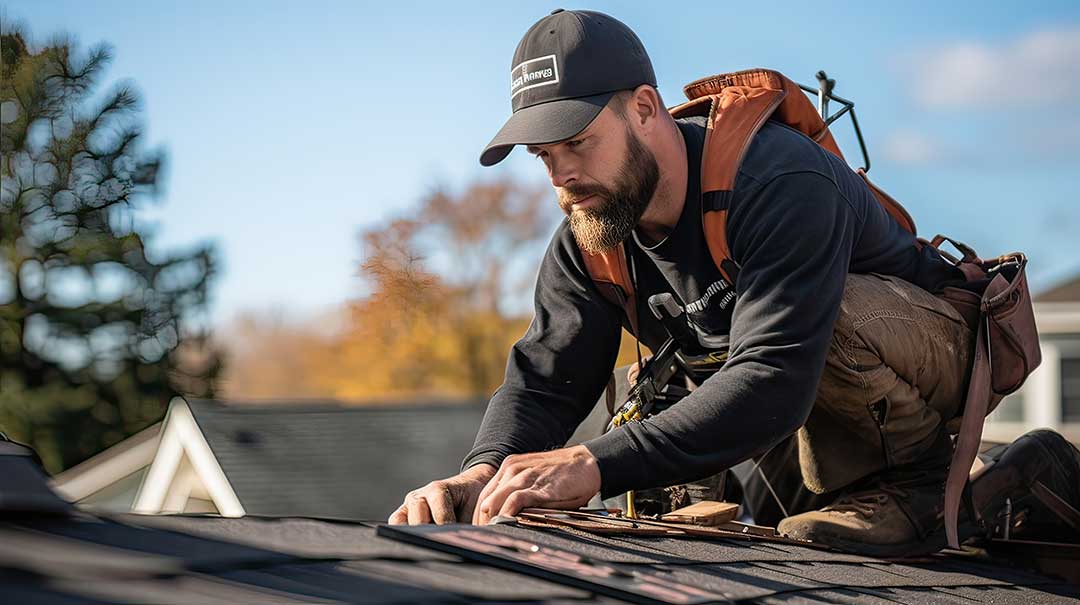
Homeowners can often remove light staining from algae using the gentle cleaning method described above, especially with basic safety gear and by working from stable footing. Stubborn moss or a widespread issue might require someone with proper safety equipment and knowledge. If a roof is very steep, high, or unstable, or if the stains seem associated with roof damage, personal safety should come first.
Can Stains Be Prevented?
Some preventive steps can reduce recurrence:
- Trim overhanging branches to let more sunlight dry the roof.
- Keep gutters and downspouts clear for good drainage throughout the city’s rainy periods.
- Install copper or zinc strips near the roof peak; rainwater will wash small amounts of these metals down the roof, inhibiting algae growth.
- Broaden attic ventilation to reduce trapped moisture under the roof deck.
Regular visual inspection from the ground—especially after the wet spring and fall seasons—helps catch issues early.
Common Misconceptions About Roof Stains
A frequent local misconception is that staining always means a roof needs immediate replacement or that cleaning will void shingle warranties. Many manufacturers actually allow and advise proper cleaning for maintenance. Also, not every dark streak is a sign of decay; often, stains are just environmental.
Examples of mistaken beliefs:
- Black streaks always indicate a failing roof (most often it’s algae, which is not urgent).
- Harsh scraping or scrubbing is needed (this risks roof damage regardless of stain type).
How Often Should Residents Check for Stains?
For area homeowners, it’s reasonable to inspect roofs from the yard or street twice a year—ideally in late spring and mid-fall. After particularly wet, warm summer periods, checking for streaks or moss is especially useful. Timely spotting of stains keeps maintenance manageable.
When Are Stains a Sign of a Bigger Problem?
If stains grow quickly, are found alongside missing shingles, sagging, soft spots, or water marks on interior ceilings, there may be hidden water ingress or rot. In those cases, the staining is likely just the visible symptom of something more extensive in the roof structure.
