
Why Does Roof Protection Matter During Renovations?
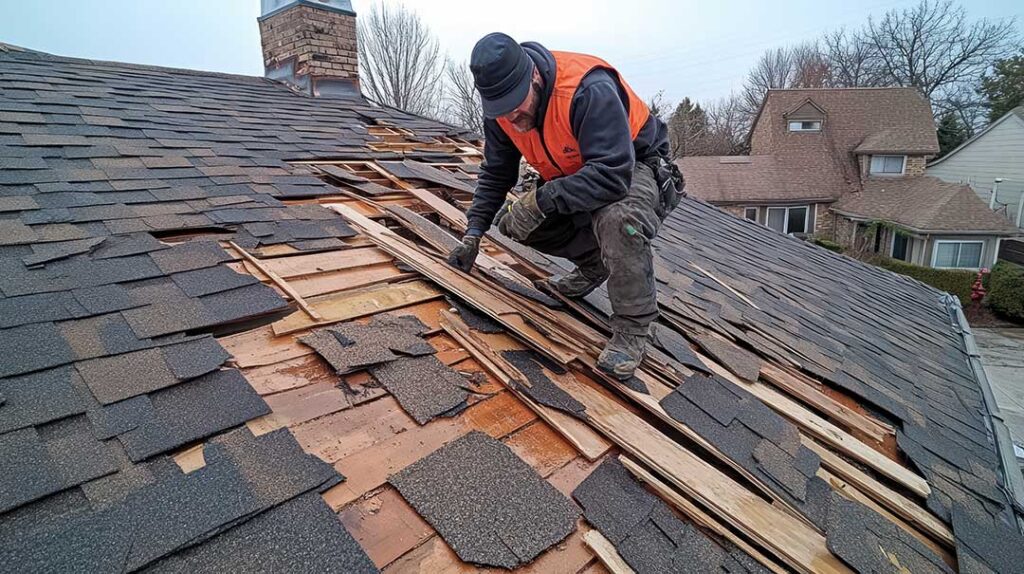
Renovating a home often means more activity, equipment, and risk around the roof—even if the work isn’t directly overhead. Protecting the roof ensures costly leaks, hidden structural damage, or insurance headaches don’t add to your project.
Many houses locally have roofs that withstand heavy snow loads, strong winds off the lakes, and occasional hail. During renovations, those same roofs are exposed to foot traffic, dust, falling debris, or vibrations. Thoughtful preparation can help prevent avoidable problems—especially in neighborhoods where homes may be close together and project staging is limited.
What Risks Does a Roof Face When Work Is Underway?
Renovations may expose a roof to several issues, such as:
- Physical damage from workers, ladders, misplaced tools, or dropped materials
- Water intrusion if shingles are loosened, flashing is knocked out of place, or debris clogs roof drains and gutters
- Accumulation of dust and construction debris, which can trap moisture or block drainage
- Compromised attic ventilation if ducts or vents are covered or altered
- Unintended punctures, especially if access mats or walkways aren’t used
In Geneva, where winter snow or spring rain can be unpredictable, even minor breaches can quickly become leaks or ice dam trouble spots.
How Should Homeowners Prepare Their Roof Before Renovations Start?
Preparation can prevent most damage. Start with a quick roof inspection before major work:
- Remove overhanging branches, leaves, or moss that might drop onto the roof during construction.
- Ensure all gutters and downspouts are clear—essential for managing run-off, especially with Geneva’s spring thaws.
- Photograph the roof from several angles, noting any pre-existing damage to help track changes after work is done.
If the project may involve roof access, ask workers about their access plan. If ladders or scaffolding will rest against the roofline, request padding or standoff stabilizers to prevent cracked shingles or bent gutters.
Can I Safeguard My Roof When Work Must Be Done Nearby?
Even interior renovations can generate dust, vibration, or debris. Covering susceptible areas provides low-cost protection:
- Lay thick tarps or protective sheeting over the roof directly beneath any exterior or window work.
- Use exterior-grade plywood “runways” temporarily if traffic on the roof cannot be avoided.
- Mark the safest access points for workers—away from valleys, fragile overhangs, and any solar panels or skylights.
If roof access isn’t required for the project but renovations will create strong vibrations (such as removing walls, using heavy demolition equipment, or reconfiguring attic spaces), double-check vulnerable areas after each phase.
What About Flat or Low-Slope Roofs Common in Local Homes?
Certain homes in Geneva, especially those built mid-century, feature flatter rooflines that can be more sensitive to foot traffic. For these architectures:
- Avoid dragging materials; carry them to prevent wear on membranes or built-up roofing.
- Insist that all temporary walkways stay clear of drainage points.
- Ensure staging areas for materials are on solid ground, not atop the roof, whenever space allows.
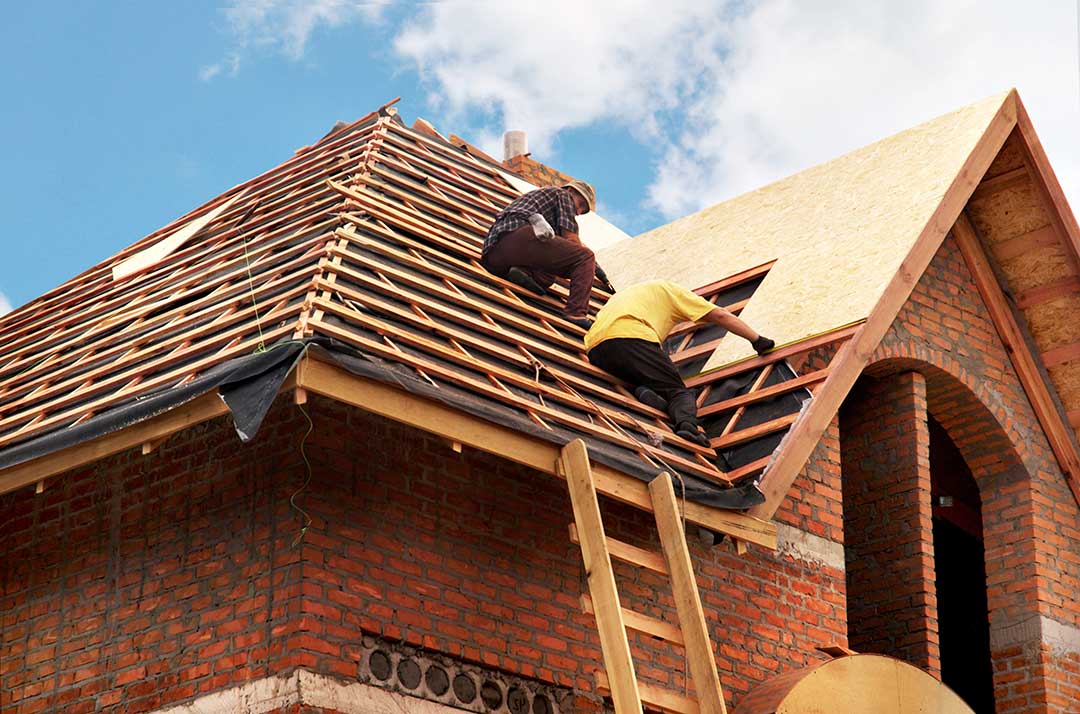
It’s worthwhile to remind contractors that flat roofs require gentle handling—local freeze/thaw cycles can make small cuts or punctures turn into major leaks.
How Should I Monitor and Maintain My Roof During Long Projects?
If renovations last several weeks, regular checks will catch potential issues early.
- Inspect after every significant phase of construction or storm event.
- Remove any debris—nails, shingle fragments, stray tools, or sawdust—that accumulates anywhere on the roof or in gutters.
- Look for loose, lifted, or cracked shingles, especially along edges where ladders or materials are stored.
If an unanticipated leak develops, addressing it right away is critical to prevent mold or ceiling damage, which are common issues in the area’s older homes.
Are There Local Regulations or Permit Concerns?
Most interior renovations won’t affect your roof from a regulatory standpoint. However, if your plans include changing the roofline, adding dormers, or replacing substantial sections of roofing as part of the renovation, check with the Geneva city building department about permitting and inspection rules.
- In some neighborhoods, roofing work is subject to specific material or appearance guidelines meant to preserve historic character.
- Permits may be required for anything that alters external structure, especially in proximity to public roads or neighboring homes.
Maintaining compliance is not just about avoiding fines; it also ensures that your homeowner’s insurance remains valid if accidental damage occurs during the renovation.
What Common Mistakes Should Be Avoided?
Residents sometimes underestimate the risks associated with even minor projects. Common oversights include:
- Assuming all contractors handle roof protection—clear expectations should be set in advance.
- Ignoring cleanup until the end of the project, increasing the risk of clogged drainage or accidental punctures.
- Overlooking attic spaces, which may collect debris or suffer air quality issues during work elsewhere in the house.
Taking small steps to prevent problems up front is easier than facing a repair after your renovation is complete.
