
What Is Roof Decking?
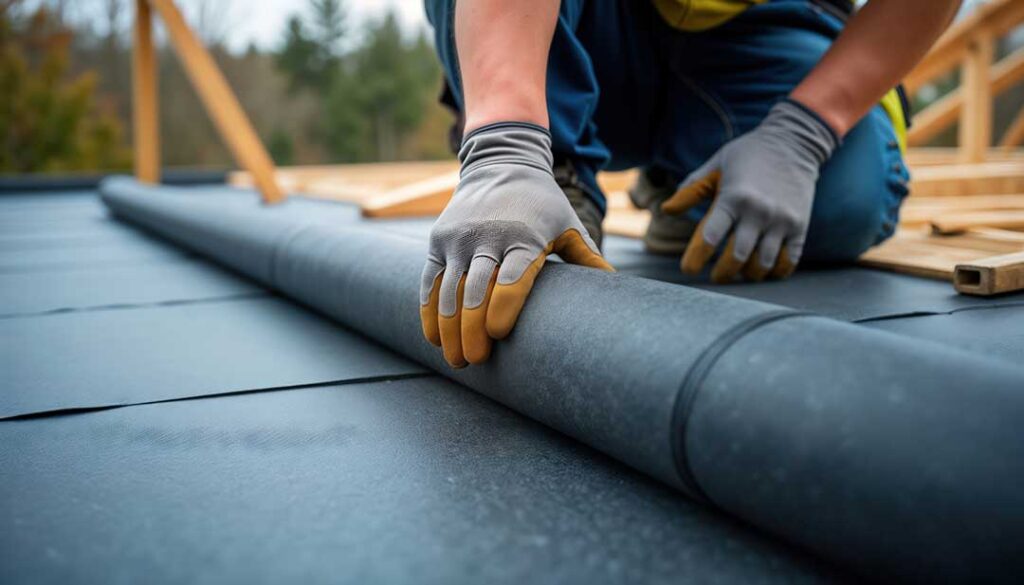
Roof decking forms the solid surface beneath your roofing material, serving as the foundation layer that supports shingles, metal panels, or other coverings. Most commonly, decking is made from plywood or oriented strand board (OSB), but other materials, such as tongue-and-groove wood planks or composite boards, may be found in older local homes.
The roof decking provides structural support for everything above it and connects the roof frame to the rest of the home. This layer is usually hidden from view, but its condition directly impacts the roof’s performance, resilience, and lifespan—especially in a region like Geneva, NY, where significant rain, snow load, and freeze-thaw cycles are present throughout the year.
Why Does Roof Decking Matter for Geneva Homes?
Sound roof decking is critical to protect local households from water infiltration, structural sagging, and premature roof failure. In Geneva’s climate, seasonal moisture and cold can cause unnoticed issues that may worsen over time.
For Geneva residents:
- Decking helps prevent leaks that might otherwise occur if roofing materials are damaged or old.
- It shields interior insulation and your attic space from water and outside air.
- Proper, intact decking ensures your roof remains strong under heavy lake-effect snow or wind gusts common in the area.
Overlooking the condition of this hidden layer can lead to mold, rot, or costly repairs that go beyond the roof itself.
What Are the Most Common Types of Roof Decking?
In the city and its older housing stock, typical decking options are:
- Plywood sheets (often 1/2" or 5/8" thick), known for their strength and versatility.
- OSB (Oriented Strand Board), an engineered wood product that’s affordable and widely used on newer or replacement roofs.
- Original wood planking, often found in historic homes. These are long, tongue-and-groove boards installed before sheet goods became standard.
Each material has benefits and drawbacks. Plywood resists moisture damage well. OSB is cost-effective but can swell if exposed to water repeatedly. Plank decking can be very durable but sometimes develops gaps if the wood dries out or warps.
Geneva’s seasonal humidity and heavy winter precipitation make good moisture resistance a priority for any material selected.
How Can Homeowners Tell if Decking Needs Attention?
Signs of trouble with your roof’s decking aren’t always obvious from the exterior. Key indicators Geneva residents may notice include:
- A sagging or uneven roofline (visible from the ground).
- Dark spots or water stains on attic rafters, insulation, or interior ceilings.
- Persistent musty odors in attic spaces, suggesting mold or moisture.
- Shingles that appear buckled, rippled, or not lying flat—sometimes pointing to failing support underneath.
- Deteriorating or rotten wood detected during roof projects or visible near the attic hatch.
Routine attic inspection can reveal telltale signs, especially after major storms or snow events.
What Causes Decking to Fail in Local Homes?
Decking issues in the region usually stem from three main sources:
1. Prolonged Moisture Exposure: Leaks around flashings, ice dams, or missing shingles allow water to reach the decking, leading to swelling, rot, or mold.
2. Ventilation Problems: Poor attic ventilation, common in some older Geneva homes, traps moisture and accelerates wood deterioration.
3. Inadequate Roof Slope: Roofs with low pitch or flat sections are especially prone to standing water and related damage.
Neglecting small roof issues can give these problems time to develop. For homes built before modern moisture barriers were standard, the risk of hidden decking damage may be higher.
Can Roof Decking Be Repaired, or Does It Need Full Replacement?
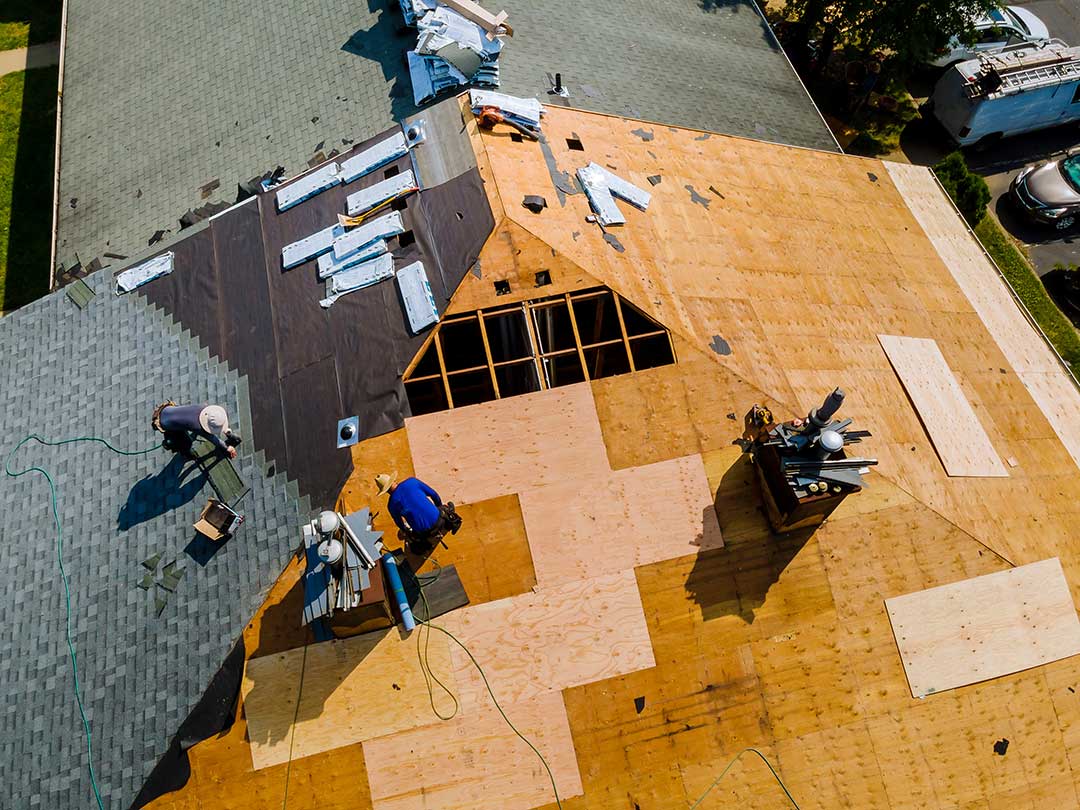
Minor localized damage—such as a small patch of rot or a soft spot—can sometimes be fixed by cutting out the bad section and splicing in new wood. However, extensive damage, layered repairs, or signs of mold usually mean more widespread replacement is needed.
Most often, the full condition of the decking only becomes apparent when roofing materials are removed for replacement. If large portions are deteriorated or warped, it’s usually safer, more cost-effective, and longer-lasting to install fresh decking panels rather than continuing with patchwork fixes.
In the city, many homeowners discover roof decking problems during scheduled roof replacements, after severe storms, or when remodeling attic spaces.
What Local Factors Should Be Considered When Choosing Decking?
For Geneva, NY area households, it’s wise to weigh factors that include:
- Winter Weather: Heavy snow load and ice accumulation demand structurally strong, well-supported decking.
- Moisture Control: Select materials with resistance to swelling, and ensure installation is paired with proper roofing underlayment to block vapor.
- Historic Architecture: Matching wood plank decking may be required in some historic or landmarked homes for compliance.
- Building Codes: Decking thickness and fastening types must satisfy local safety and construction standards, which reflect the region’s unique climate challenges.
How Often Does Decking Need Attention or Replacement?
Decking doesn’t have a fixed maintenance schedule; its lifespan is closely tied to roof performance and whether leaks are caught early. Well-installed, quality decking sheltered by a sound roof can last several decades. However, roofs that have leaked or experienced storm damage may require partial or complete decking replacement whenever new roofing material is installed.
Checking attic spaces seasonally, especially after major snowfall or ice buildup, allows homeowners to spot concerns before they worsen. In Geneva, small preventative measures—like clearing gutters and ensuring attic vents are open—help preserve the hidden layers of the roof structure.
What Are Common Misconceptions About Decking?
Some area homeowners believe roof decking is only a concern if visible leaks are present. In reality, damage to this layer can stay hidden for years, causing insulation failure, attic moisture, or expensive structural repairs.
Another misconception is that any roofing contractor will automatically update compromised decking during installation. Homeowners are encouraged to understand what’s included in any planned roof work before it begins, ensuring that hidden structural issues aren’t missed.
Finally, perceived “minor” soft spots in the attic or on shingles shouldn’t be ignored, as they might signal more serious underlying conditions that develop slowly in Geneva’s climate.
