
What Is Roof Decking and Why Does It Matter?
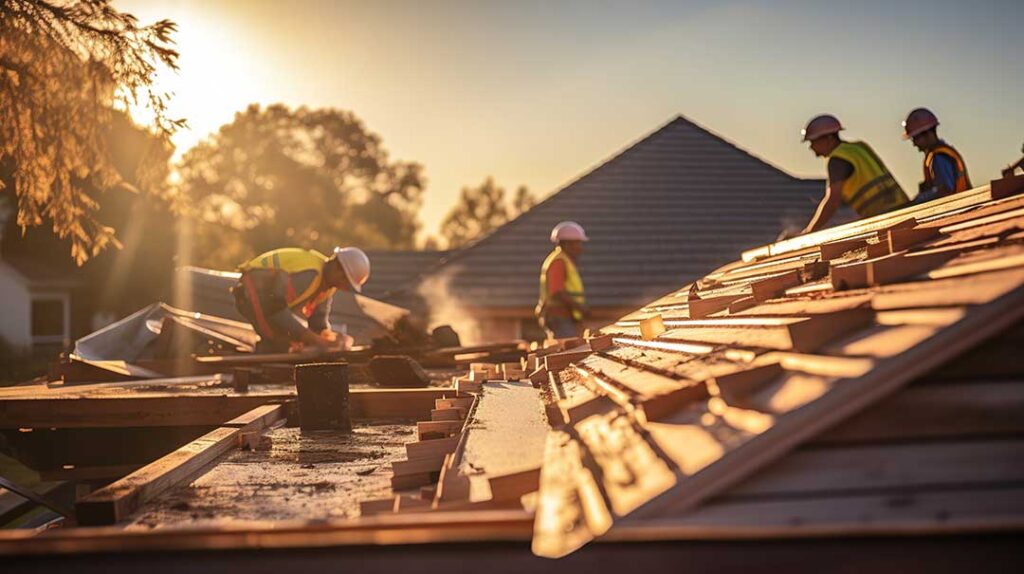
Roof decking is the layer of wood panels—typically plywood or oriented strand board—that forms the base under your shingles. It acts as the structural support for roofing materials and helps distribute weight and moisture. In Geneva, NY, where weather brings heavy snow, rainfall, and seasonal temperature swings, roof decking plays a crucial role in keeping homes watertight and structurally sound. Deterioration here can go unnoticed until it causes more visible problems for homes in the community.
How Can Water Damage Impact Roof Decking in Geneva?
Persistent moisture is one of the biggest threats to roof decking, especially with Geneva’s wet springs and snowy winters. Water can seep beneath shingles due to damaged flashing, ice dams, blocked gutters, or worn shingles—eventually reaching the decking.
- Damp spots on your ceiling or upper walls are sometimes the first hint.
- A musty odor in attics or top-floor rooms often signals long-term mold or rot.
- In Geneva’s climate, ice damming on eaves in winter pushes water backward under shingles, steadily risking the integrity of the wood decking underneath.
Regular checks after snow melts or following heavy rainfall are especially valuable for area households.
What Are Visible Signs That Roof Decking Needs Attention?
While roofing materials usually hide the decking, certain issues hint at deeper trouble:
- Sagging rooflines, visible from the street or yard, suggest the underlying wood may be weakened or worn.
- Uneven or "spongy" spots when walking on the roof (only attempt this safely) typically indicate wood rot or delamination.
- Shingles that curl, buckle, or appear wavy sometimes reflect problems below the surface, not just standard aging.
In Geneva, older homes with original roofs or roofs past their typical lifespan (20-30 years for asphalt) are at a higher risk of these visible decking issues, especially after harsh winters.
Are There Indoor Clues to Decking Deterioration?
Yes, interior signs often point to hidden problems with the roof deck:
- Peeling paint or bubbling plaster along the upper portions of exterior walls, especially after rain, point to possible leaks through compromised decking.
- Persistent attic dampness, mold growth, or frost on rafters signal decking isn’t keeping out weather.
- Sunlight visible through the attic roof boards means gaps or missing decking, a common problem after storms or aged roofs.
Residents who notice any of these conditions during routine home checks—particularly during seasonal transitions—should suspect the roof base, not just the shingles.
How Do Geneva’s Conditions Contribute to Decking Problems?
Local climate and construction patterns make some issues more common. Freezing and thawing cycles can drive water under shingles, while older housing stock means some structures in Geneva might have decking installed before prevailing building code updates.
- Wind-driven snow or rain can work its way into minor seams, especially on the windward sides or older, steeper roofs.
- Warm spells following cold snaps lead to ice damming—when melting snow refreezes at the eave and traps water over decking.
- High humidity in summer and poor attic ventilation can cause hidden condensation.
These local conditions increase the importance of routine, seasonally focused roof assessments.
What Are Common Myths About Roof Deck Deterioration?
Some misconceptions can cause residents to underestimate roof issues:
- “A roof only leaks when it rains hard”: Decking damage often starts with slow continuous leaks or trapped moisture, not just major storms.
- “If the shingles look good, the decking must be fine”: Shingles can outlast or out-perform the wood beneath them, especially if earlier repairs weren’t thorough.
- “A few missing shingles aren’t urgent”: Even small gaps let water reach decking, and Geneva’s climate quickly turns minor problems into larger rot or mold.
Understanding these overlooked factors helps area homeowners recognize when to take a closer look—even if outside damage seems minor.
What Else Can Mimic Decking Damage?
Some roof and attic problems are often mistaken for decking issues. Knowing the difference helps avoid unnecessary repairs.
- Insulation settled out of place or attic ventilation problems can cause temperature variations and moisture, resembling some decking symptoms.
- Moss or algae growth on the roof surface can signal shingle problems, but may not reach the decking unless water is consistently trapped underneath.
- Siding, gutter, or trim leaks may be the actual moisture source; not every stain or damp area inside points directly to the roof base.
If outdoor or indoor clues are puzzling or persistent, a thorough attic inspection during dry weather can help sort out the root cause.
What Should Geneva Homeowners Watch For After Severe Weather?
After major snowfalls, ice storms, or wind-driven rain, even relatively new roofs can suffer unseen damage. Homes in tree-lined neighborhoods or with complicated roof layouts are especially at risk.
- Look for new stains, visible sagging, or areas where snow lingers unusually long after most of the roof has cleared.
- Check for visible debris, torn shingles, or patches where materials appear lifted or uneven.
- Listen for dripping water sounds in the attic during freeze-thaw cycles.
Timely attention to small signals can save households from costlier repairs later.
