
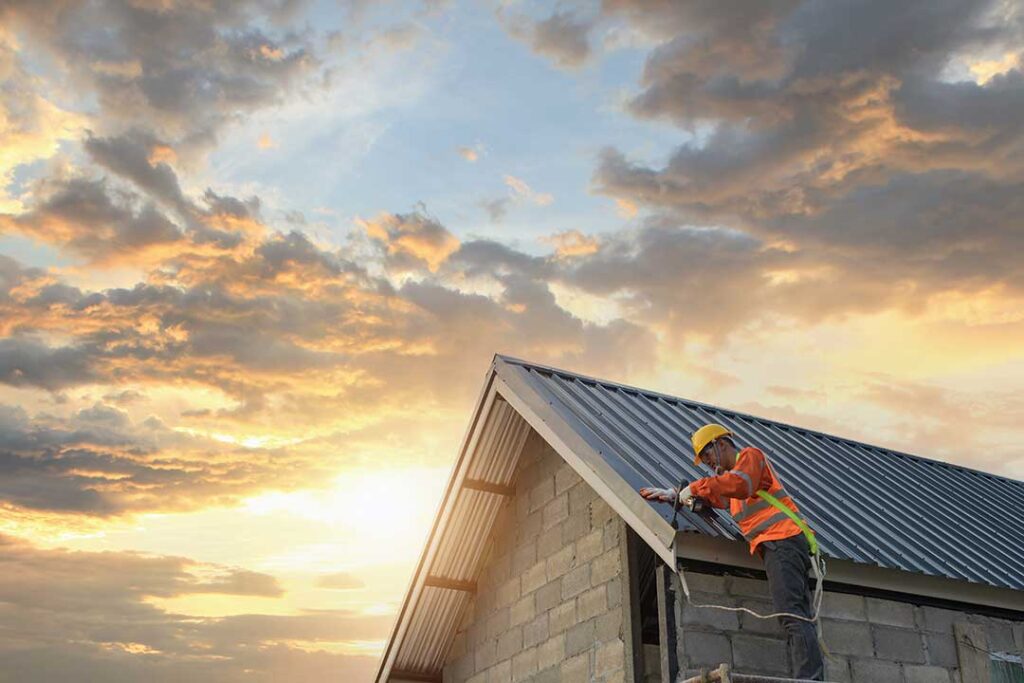
What Are the Risks of DIY Roof Repair?
Attempting roof repairs without the right approach can lead to bigger headaches for homeowners. While fixing a few missing shingles or sealing a leak might seem straightforward, certain errors can compromise safety, lead to further damage, or even void warranties. Local weather—snow, heavy rain, ice, and seasonal temperature swings—adds extra pressure, as improper fixes might not withstand Geneva’s climate.
Accidents are a top risk. Working on a roof is inherently hazardous, especially on icy or steep surfaces frequently found on homes in the city. Slipping or losing balance is common. Beyond safety, incorrect repairs can cause slow leaks that go undetected until interior water damage appears, often months later—becoming more difficult and expensive to fix.
Are Cheap Materials Good Enough for Roof Repairs?
Using leftover or low-cost materials seems practical but is rarely a good long-term solution. Geneva, NY homes need roofing products rated for freeze-thaw cycles, high winds off Seneca Lake, and heavy winter snow loads.
Patching with mismatched or non-weather-rated shingles may hold temporarily but usually fail prematurely. Common material mistakes include:
- Using regular indoor caulk instead of exterior-grade roofing sealant
- Replacing only the visible damaged shingle, but ignoring worn underlayment
- Overlapping new shingles incorrectly, leaving gaps for wind and moisture
These shortcuts are rarely visible from the ground but easily give way after a season or two.
Can Misdiagnosing the Problem Cause More Damage?
Yes—guessing the source of a roof leak can make things worse. Water travels along roof decking, rafters, or even insulation before it pools or drips, leading residents to underestimate the repair area. In Geneva, where older homes may have multiple roofing layers, this problem often leads to “chasing the leak” with ineffective patches.
Common causes of misdiagnosis include:
- Assuming the spot where water enters the house is where the roof is damaged
- Covering interior stains or ceiling damage before resolving exterior sources
- Overlooking chimney flashing, attic vents, or ice damming as the root cause
Carefully assessing from both the attic and the roof, especially after a storm or thaw, gives a clearer picture of what actually needs repair.
How Do Incorrect Repairs Affect Roof Lifespan?
Improper repairs can shorten a roof’s lifespan by trapping moisture, creating weak points, or disrupting the overall drainage. The use of improper fasteners (like regular nails instead of roofing nails), over-driving nails, or failing to seal edges properly can lift shingles and allow wind or rain to penetrate.
Geneva’s freeze-thaw cycles and occasional ice dams make this even more critical. Moisture beneath a faulty patch might not be visible until the next thaw, when trapped water expands and contracts, accelerating shingle breakdown or rot.
Examples include:
- Failing to remove damaged shingles entirely before layering new ones
- Using tar to cover gaps without resolving underlying structural issues
- Blocking attic ventilation, causing heat buildup and encouraging ice dams in winter
Are Flashing and Valleys Frequently Overlooked?
Rooftop flashing—the thin metal around chimneys, vents, skylights, and valleys—is often overlooked or reused in quick repairs. Damaged or improperly installed flashing is a leading cause of recurring leaks, especially during wind-driven rain or when snow begins to melt.
Local homes with architectural features such as gables, dormers, or multiple rooflines have valleys that channel a high volume of water. Poor workmanship in these areas quickly leads to persistent leaks. Key mistakes include:
- Neglecting to replace rusty or bent flashing
- Failing to overlap flashing correctly
- Sealing over old flashing with caulk, which breaks down in UV and weather
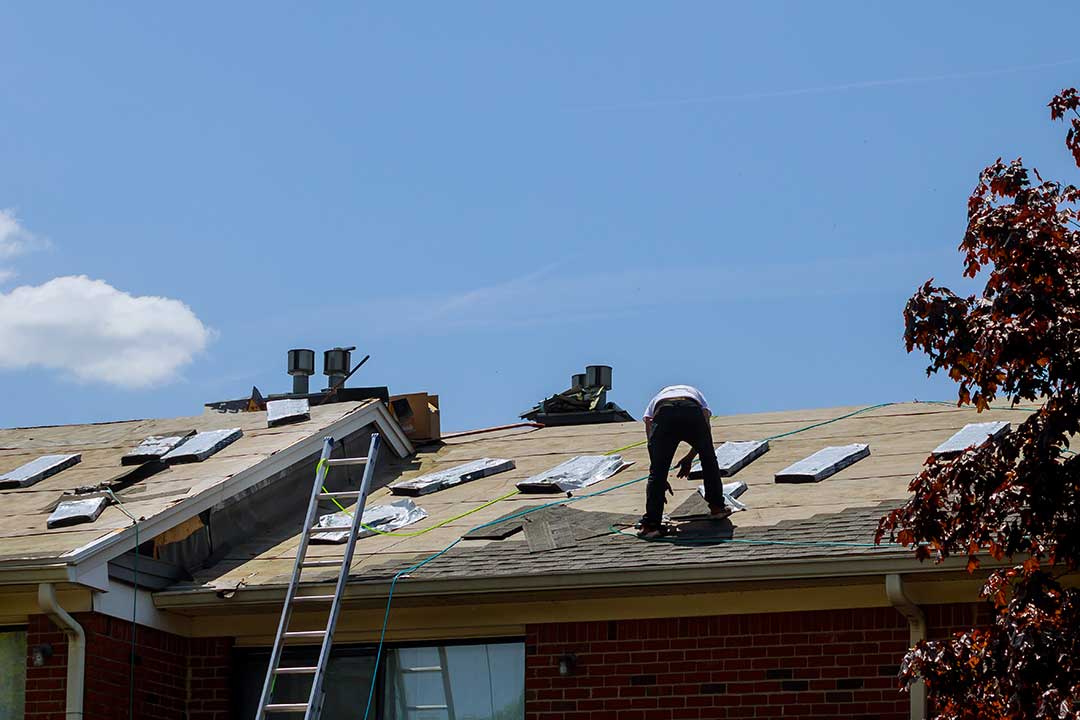
In Geneva’s climate, flashing defects can go unnoticed during dry weeks but reveal themselves suddenly during severe weather.
Are Permits and Local Building Codes Important in Roof Repairs?
Even small roof repairs can have legal or insurance implications if local codes or permit requirements are ignored. The city enforces standards for safety, materials, and sometimes even color for historic areas to maintain neighborhood character.
Failing to follow these requirements can result in:
- Difficulty selling a home if unpermitted work is flagged during inspection
- Denied insurance claims for storm or water damage due to code violations
- Being required to redo or remove non-compliant repairs
Residents unsure about the need for a permit or specific code requirements can consult the city’s code enforcement office before proceeding.
What Are the Long-Term Consequences of Unaddressed or Poorly Done Roof Repairs?
Delaying necessary repairs or relying on temporary fixes piles up risks over time. Minor leaks or loose shingles often escalate into structural issues, leading to mold growth, rotten decking, or ice dams that jeopardize insulation and rafters.
Common signs that a repair hasn’t solved the real problem include:
- Persistent water stains after storms
- Granules from shingles collecting in gutters
- Musty smells in attics, especially after snowmelts
In Geneva’s varied seasons, waiting too long or patching over the problem can require a more expensive fix—sometimes a full replacement—instead of a manageable repair.
