
How Does Humidity Interact with Roofing Materials?
High humidity affects roofing in several ways, primarily by speeding up material aging, encouraging biological growth, and impacting energy efficiency. Local weather in Geneva, NY is characterized by humidity fluctuations, especially in late spring, summer, and early fall. Roofs in this region are subject to both high moisture and rapid freezes, which means the effects can be more pronounced compared to drier climates.
Roofing materials absorb moisture from the air to varying degrees. Asphalt shingles, commonly used in area homes, can soften and lose granules faster with ongoing moisture exposure. Metal roofing resists absorption but may develop condensation and eventual corrosion. Wood shingles and shakes are especially vulnerable, as excess humidity leads to swelling, warping, and, eventually, rot.
What Are the Signs of Humidity-Related Roof Issues?
Early symptoms of humidity problems often go unnoticed until visible damage appears.
- Shingles that curl, cup, or crack indicate repeated cycles of moisture absorption and drying.
- Black streaks or green patches can signal algae, moss, or mold—microorganisms that thrive in damp, humid conditions.
- Rust spots or dull areas on metal flashings or gutters may be from prolonged condensing moisture.
- Unexplained dampness in attic insulation or the upper floors of a home, especially after humid spells, suggests excess moisture is entering through the roof deck.
In Geneva, these issues often become more obvious after wet summers or during mild, misty autumns.
Why Does Humidity Make Roofing Materials Deteriorate Faster?
Humidity breaks down roofing materials by keeping them in a dampened state, which encourages both biological growth and chemical breakdown. The repeated wet/dry cycling in the area—humid days followed by cool nights or vice versa—stresses a roof.
- Asphalt shingles gradually lose the protective oils that keep them flexible, especially when exposed to both moisture and UV.
- Wood absorbs water from humid air, then releases it, leading to swelling, shrinking, and splitting.
- Underlayment and sheathing beneath visible roof layers can trap moisture, leading to hidden rot or mildew.
Together, these factors shorten the lifespan of roofing systems and may make minor repairs more frequent in households exposed year-round to fluctuating humidity.
Can Humidity Inside Attics Impact Roof Performance?
Moisture from inside the home rises into the attic and can condense against the underside of a cool roof deck. This is a particular concern in the occasionally muggy climate of Geneva.
Improper attic ventilation or insufficient insulation compounds the problem:
- Warm, moist air from showers, cooking, or just daily life travels upward.
- If this air can't escape, it adds to any moisture already present from outdoor humidity.
- Condensation can soak the roof deck, soften insulation, and contribute to wood rot or nail corrosion.
Well-ventilated attics allow humid air to exit, reducing these risks. Many older homes in the community may lack adequate attic vents or have blocked pathways, making periodic checks worthwhile, especially after humid weather.
How Should Local Residents Care for Roofs in a Humid Environment?
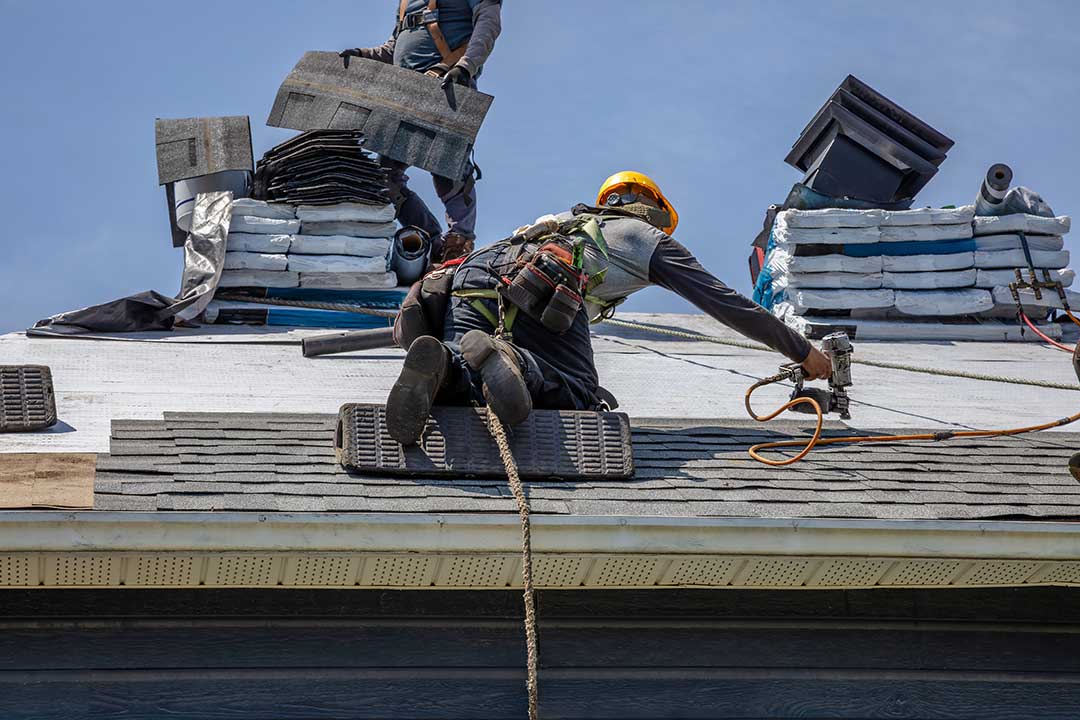
Routine, attentive maintenance is the primary defense. In the Geneva area, homeowners benefit from using strategies that address both climate realities and typical roof types:
- Inspect for algae or moss, especially after wet periods, and clean gently if needed.
- Keep gutters and downspouts clear so water flows away quickly, preventing pooled moisture along roof edges.
- Trim tree branches that shade the roof. Sun can help shorten drying times after rain or heavy dew.
- Check attic ventilation at least annually to ensure airflow is adequate for the size of the home and roof.
Avoid heavy power-washing, as it may force moisture deeper into shingle layers. When replacing components, choose materials rated for humid or mixed-weather climates for longer performance.
What Are Common Misconceptions About Humidity and Roofing?
Some residents might believe that only leaks or rainfall harm roofs, or that modern roofing is immune to local climate. In reality, even without leaks, everyday humidity steadily affects the performance and durability of almost all roof types.
Another misconception is that roof ventilation only matters in the summer or in very hot climates. Actually, ventilation helps in any season where humidity is present, because it removes unwanted moisture that can migrate into attics or accumulate beneath the roofing surface. This is especially relevant during humid springs and falls, not just during the heat of summer.
How Can Residents Distinguish Between Moisture Damage from Humidity Versus Rain?
It can be difficult to tell the difference by visual inspection alone. However, a few clues help:
- Damage concentrated on the shaded, north-facing side of a roof often points to issues driven by humidity—these areas dry more slowly and grow more moss or algae.
- Generalized swelling or mustiness in the attic, with no obvious wet spots or stains from infiltration, is likely caused by high humidity rather than active leaks.
- Localized water stains or soft spots following storms suggest water entry rather than gradual harm from atmospheric moisture.
Residents noticing persistent musty odors, visible growth, or recurring shingle problems after humid weather should consider the role of the area's moisture levels in roofing concerns.
