
How Does Roof Shape Affect a Home's Appearance?
The shape of a roof is one of the most noticeable features of any house, strongly influencing how a home looks and feels. In Geneva, NY, roof profiles contribute to the area’s diverse architecture, from older gabled homes near Seneca Lake to newer suburban styles. A steeply pitched roof can make a home appear taller and more traditional, while a low-slope or flat roof often gives a residence a modern or mid-century character.
Visual impact matters, especially in older neighborhoods where historical preservation is valued. For example, cape-style and Victorian homes often use gable or hip roofs, maintaining neighborhood cohesion.
What Practical Functions Do Different Roof Shapes Serve?
Beyond aesthetics, roof design directly affects how a home functions—especially in relation to local climate, which in Geneva includes snowy winters and heavy spring rains.
- Steep or pitched roofs (like gable roofs) help snow and water slide off more easily, reducing accumulation that can stress the structure.
- Flat or low-slope roofs require excellent waterproofing and drainage, since precipitation tends to sit longer.
Homes with deeper eaves or overhangs can also benefit from extra protection against rain and melting snow, which is helpful for reducing moisture near the exterior walls and foundation.
Are Certain Roof Shapes More Energy Efficient?
Yes, roof shape can influence how energy-efficient a home is. In the city, seasons range from hot, sunny summers to cold, windy winters, so efficient insulation and ventilation are critical.
- Attic space: Gable and hip roofs typically provide generous attic space, supporting better insulation and airflow. A well-ventilated attic helps regulate temperature and moisture, improving comfort and reducing energy costs.
- Sun exposure: Flat or low-slope roofs may have more consistent sun exposure across their surface, potentially making them ideal for solar panel installations or modern green roofs. However, they can collect more heat if not properly shaded or insulated.
It’s a common misconception that the roof itself insulates the home; in reality, the combined design of roof, attic, insulation, and ventilation work together for efficiency.
How Do Roof Shapes Affect Maintenance and Durability?
Maintenance needs often depend on the roof’s slope and complexity. In Geneva, ice dams from freeze-thaw cycles, fallen leaves, and wind-driven rain are ongoing challenges.
- Simple rooflines (like basic gables) are generally easier and cheaper to maintain, since debris and water run off quickly, and there are fewer joints where leaks can develop.
- Roofs with valleys (intersections where two roof planes meet) are more susceptible to water pooling and require more frequent inspection.
- Flat roofs need regular attention to drainage systems, since even minor blockages can cause water backups and leaks.
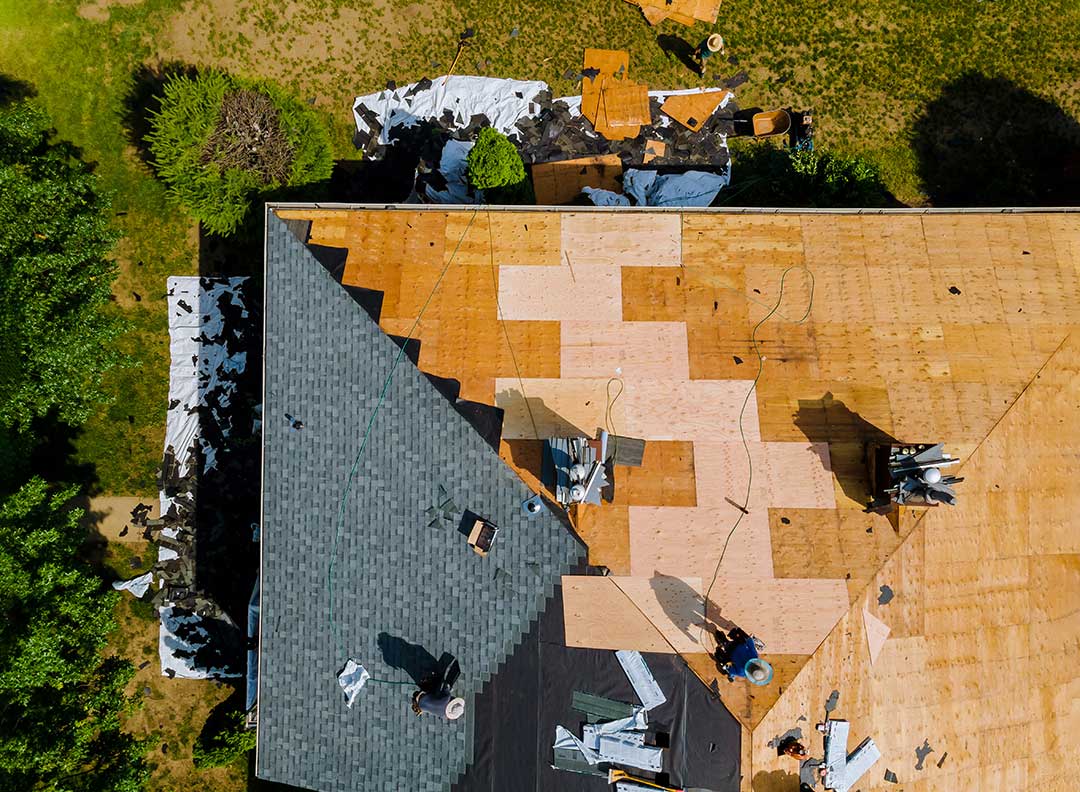
Local homes with tree cover should also consider how roof shape influences leaf collection and gutter maintenance.
Do Local Building Codes or HOA Guidelines Limit Roof Choices?
In older sections of Geneva and in certain residential developments, there may be building codes or neighborhood association rules affecting allowable roof shapes, pitches, and materials. These are often aimed at preserving the historic or uniform character of the community or ensuring roofs are safe under the climate conditions.
Before making changes, area homeowners should review local code requirements and research any design restrictions that may apply, especially for significant redesigns or in historic districts.
What Are Some Considerations for Additions or New Construction?
Adding to an existing home or building from scratch means choosing a roof shape that blends with the current or planned architecture, the needs of the household, and the community’s overall character.
- Matching existing rooflines helps maintain curb appeal and neighborhood integrity.
- Consider future needs—attic conversions, solar panels, or passive ventilation are easier to achieve with certain roof types.
- Snow load requirements matter, especially for flat roofs, which must be engineered for heavy accumulation potential during Geneva’s winters.
While creativity in roof design is possible, thoughtful planning keeps homes comfortable and functional—and avoids future headaches.
