
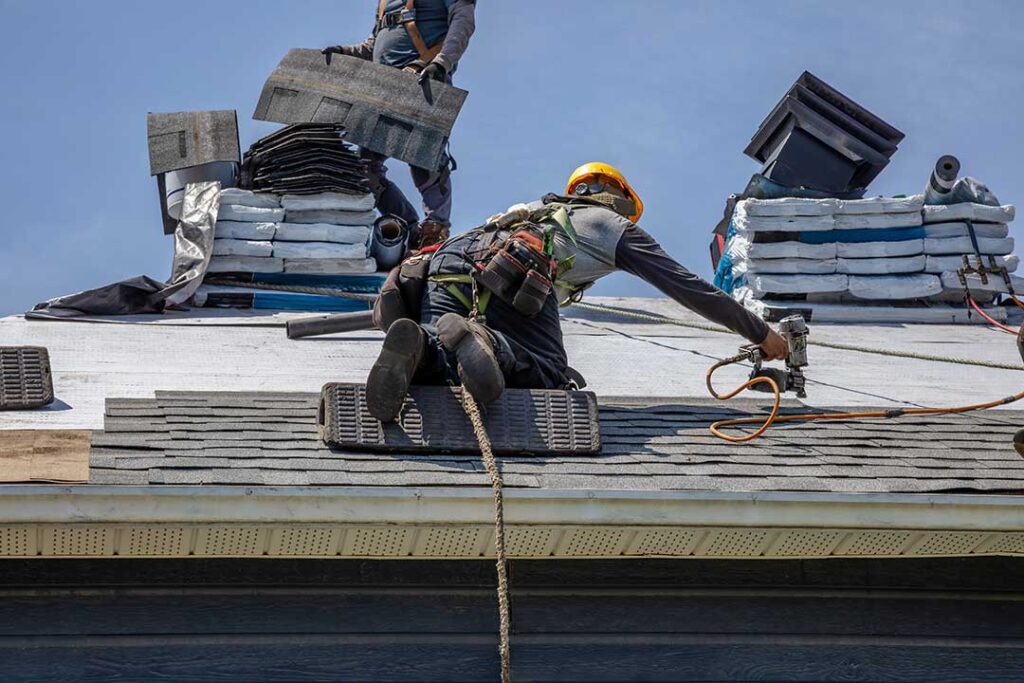
Why Might a Resident Need to Walk on Their Roof?
Sometimes, homeowners in Geneva, NY need to access their roofs for minor inspections, cleaning gutters, clearing debris after a storm, or checking for damage following winter weather. While many tasks don’t require leaving the ground, certain situations call for a closer look. However, walking on a roof carries real risks of slips, falls, and roof damage, so understanding safe practices is essential before taking the first step.
What Should You Check Before Going Up?
Before stepping onto any residential rooftop, visually inspect the roof from the ground. Look for loose shingles, sagging areas, mossy or wet patches, and obvious obstacles like icy spots or fallen branches. These signs indicate increased risk and may warrant extra caution or staying off entirely.
Consider the following before attempting to climb:
- Roof pitch — Steep angles are harder to walk on safely and increase fall risk.
- Surface condition — Wet, mossy, or snowy roofing is far more slippery.
- Roof material — Asphalt shingles are common locally and generally offer good grip, but metal or tile roofs can be especially treacherous.
- Time of day — Morning dew, rain, or late evening frost can make surfaces slick.
If there are electrical wires nearby or damaged areas that could collapse, avoid roof access entirely.
What Local Weather Conditions Affect Safety?
The climate shapes roof safety in Geneva. The city experiences heavy snow, ice buildup, and significant rain. Wet surfaces are hazardous, and even a thin film of frost can make an otherwise stable roof extremely slick.
Ice dams, which frequently form after Geneva’s heavy snowfalls followed by freeze-thaw cycles, create invisible layers of ice at the roof’s edge. These are very dangerous to step on.
Make sure:
- Surfaces are dry before you attempt any work.
- Winter months often make climbing hazardous due to lingering icy patches.
- After storms, debris or invisible damage may add risk.
How Can You Get on the Roof Safely?
The ladder is often the most dangerous part of roof work. Make sure to:
- Use an extension ladder that extends at least three feet above the roof edge.
- Place the base on a level, stable surface, and secure the ladder so it doesn’t shift.
- Maintain three points of contact (two hands and a foot, or two feet and a hand) when climbing.
- Never lean away from the ladder or overreach.
If your home has unique landscaping or uneven ground, reposition the ladder as needed for stability. Avoid climbing near power lines or during high winds.
What Should You Wear for Maximum Grip and Safety?
Wearing the right clothing and shoes makes a big difference. Choose:
- Shoes with soft, rubber soles — these provide the most traction, especially on asphalt shingles.
- Snug-fitting clothes that won’t snag, but are breathable and allow full movement.
- Avoid sandals, dress shoes, or anything with slick soles.
On sunny days, consider a hat and sunscreen. If it’s chilly, use layers, but be mindful of any gear that might catch on gutters or roof features.
What Is the Safest Way to Move on a Roof?
Staying safe means moving slowly, always watching for hazards, and keeping your weight balanced.
- Step gently — sudden movements can break shingles or throw you off balance.
- Walk on the lower part of the roof (closer to the eaves) rather than high on the ridge.
- Try to walk on areas over load-bearing walls, as these are generally stronger.
- Always face the slope, keeping your center of gravity low by slightly bending your knees.
- Never run, jump, or turn suddenly.
If you need to work hands-free, use a roof harness approved for your weight and the slope you’re on. Roof anchors are available, but must be used correctly to offer real protection.
What Should You Avoid to Prevent Roof Damage?
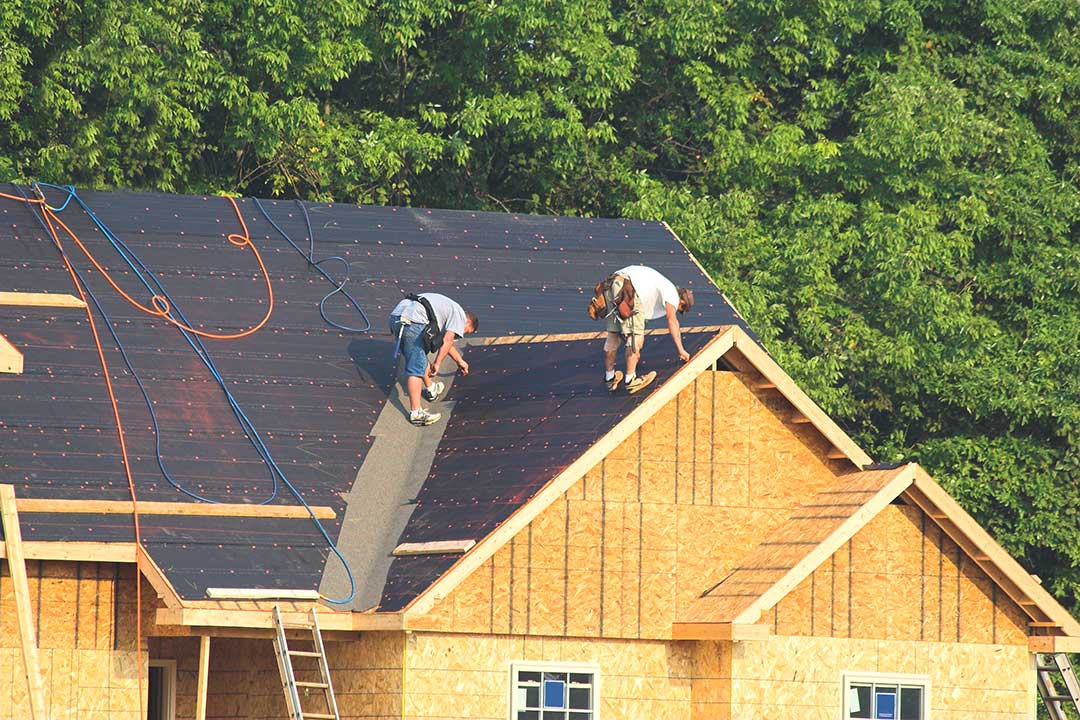
Even when focused on personal safety, remember that some actions can harm your home. Avoid:
- Wearing spiked or ridged shoes, which damage shingles.
- Dragging heavy tools or equipment across the surface.
- Stepping on visibly damaged or curled shingles, which can break more easily.
Try not to walk directly on roof valleys (where two slopes meet), as these areas are most prone to leaks if disturbed or damaged.
Are There Special Concerns for Common Roof Types in Geneva, NY?
Homes in Geneva often feature asphalt shingle roofs, but some may have metal, wood shake, or even slate tiles.
- Asphalt shingles: Generally safer to walk on if dry and in good condition.
- Metal: Extremely slippery, especially in wet or cold conditions; best avoided by non-professionals.
- Slate or tile: Brittle; can crack from weight. These surfaces should generally not be walked on by homeowners.
If you’re unsure of your roof’s material or condition, limit roof traffic and perform as much inspection as possible from the ladder or ground.
When Is It Safer Not to Walk on the Roof?
Certain conditions make the risk of personal injury or property damage too high:
- After significant snowfall or when ice is present
- During rain, sleet, or high winds
- If any part of the roof looks unstable, water-soaked, or structurally damaged
- Facing high-pitched roofs (steep slopes)
For situations involving heights beyond the first story or where electrical hazards or significant structural damage are possible, limiting activities to ground-level inspection is the safest choice.
What Are Alternatives to Walking on Your Roof?
Whenever possible, consider options that avoid stepping onto your roof entirely:
- Use binoculars to visually inspect from the ground
- Extendable tools allow safe gutter cleaning from below
- Camera drones can help spot issues without ever leaving the yard
- Many seasonal cleanup tasks can be managed with specialized pole tools
These approaches help reduce the risk and keep both homeowners and homes safer throughout changing seasons in the community.
