
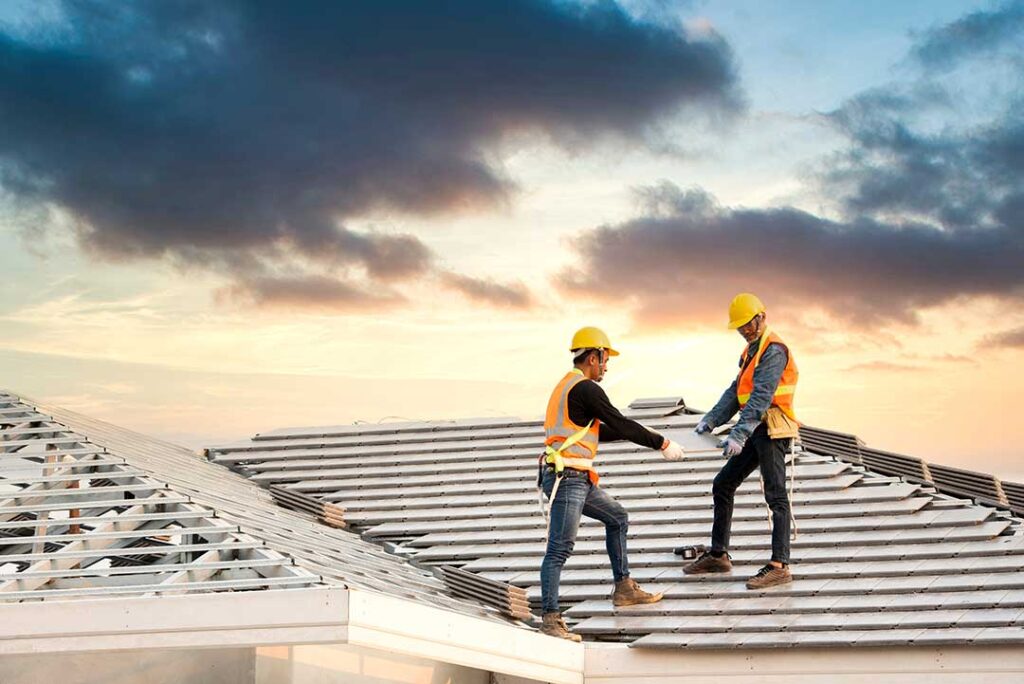
Roof coatings can extend the service life of some roofs, improve water resistance, and sometimes reduce heat absorption. They are not a universal substitute for roof replacement, however. Whether a coating makes sense depends on the roof’s material, age, drainage, existing damage, and the type of coating being considered.
For households in Geneva, NY, seasonal weather is a major part of that decision. Freeze-thaw cycles, snow, wind, summer sun, falling leaves, and moisture from rain can all expose weaknesses in a roof system. A coating may address certain surface problems, but it cannot correct every underlying defect.
What is a roof coating?
A roof coating is a fluid-applied layer installed over an existing roofing surface. After it cures, the material forms a continuous membrane or protective film. Common categories include elastomeric, acrylic, silicone, and polyurethane coatings.
Coatings are used on several low-slope and commercial-style roofing systems, including:
- Modified bitumen
- Built-up roofing
- Metal roofing
- Certain single-ply membranes
- Some older asphalt-based roof surfaces
They are less commonly appropriate for standard steep-slope asphalt shingle roofs. Shingles are designed to shed water through overlapping layers, and coating them can interfere with their intended performance, appearance, ventilation, or warranty requirements.
The coating itself is only one part of the system. Proper cleaning, repairs, reinforcement of seams, and attention to drainage are often necessary before application.
What are the main advantages?
The strongest benefit is often added protection for a roof that is fundamentally sound but showing surface wear. A coating can seal small imperfections, reduce ultraviolet exposure, and create a more uniform water-resistant layer.
Longer service life
A suitable coating may slow weathering and help an existing roof remain serviceable for additional years. This is most realistic when the roof still has adequate structural integrity, the materials are compatible, and water is not regularly trapped on the surface.
A coating does not reverse advanced deterioration. If the roof deck is soft, insulation is saturated, seams are separating, or large areas are failing, coating over those conditions can hide damage rather than solve it.
Improved water resistance
A continuous coating can reduce the number of exposed seams and small surface openings. This may be useful on low-slope roofs, where water drains more slowly than it does from a steep roof.
The benefit depends heavily on drainage. Ponding water, clogged drains, blocked scuppers, or an improperly sloped surface can shorten the life of even a well-installed coating.
Reduced heat absorption
Some light-colored coatings reflect more sunlight than dark roofing materials. During summer, that can reduce surface temperatures and may help limit heat transfer into the building.
The effect is usually more noticeable on low-slope roofs with broad sun exposure. It may be less meaningful for a shaded residential roof or a well-insulated attic. Reflective performance can also decline as dirt, algae, leaves, and pollution collect on the surface.
Fewer tear-off materials
If a roof can be restored instead of removed, coating work may create less disposal waste than a full tear-off. It can also reduce the disruption associated with removing roofing materials.
That does not mean coating is automatically the more environmentally responsible choice. Applying a coating over a failing roof may lead to another repair or replacement sooner, creating additional material use over time.
What are the disadvantages?
Roof coatings have limitations that are sometimes overlooked. The most serious problem is using a coating to cover damage that requires structural or system-level repair.
They cannot fix major roof failure
A coating will not repair:
- Rotting roof decking
- Structural movement
- Extensive membrane separation
- Large open seams
- Persistent leaks caused by flashing failure
- Inadequate slope or drainage
- Saturated insulation
- Severe corrosion or holes in metal roofing
Leaks often originate at penetrations, wall intersections, chimneys, edges, or flashing rather than in the middle of an open roof surface. A coating may cover some symptoms while leaving the source untouched.
Preparation can be extensive
The roof surface generally needs to be clean, dry, firmly attached, and free of loose material. Existing cracks, seams, fasteners, flashing transitions, and damaged areas may need separate treatment.
On a roof with years of neglected maintenance, preparation can become a substantial part of the project. The coating is only as reliable as the surface beneath it.
Weather affects application
Many coatings require specific temperature, humidity, and moisture conditions during installation and curing. Cool nights, rain, dew, or a damp roof can interfere with adhesion and curing.
This matters in the Finger Lakes region, where spring and fall weather can shift quickly. A roof may appear dry in the afternoon while retaining moisture in seams, shaded areas, or surface texture. Applying material too late in the season can create problems if temperatures fall before the coating cures properly.
Ponding water remains a concern
A coating can improve water resistance, but it does not automatically make a flat or low-slope roof drain correctly. Standing water can weaken some coating systems, encourage biological growth, and expose defects over time.
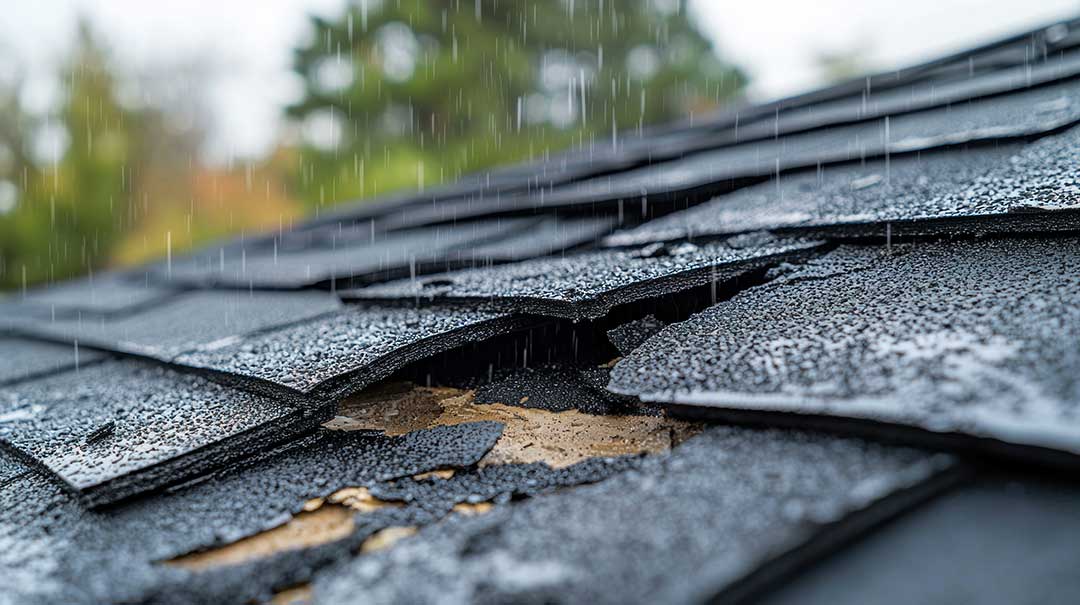
Drainage should be evaluated before coating work begins. Leaves and other debris from nearby trees can also block drainage paths, making routine maintenance especially relevant for area homes and buildings.
Future repairs may be more complicated
Once a coating has been applied, later repairs may require compatible materials and careful surface preparation. Not every patch material bonds equally well to every coating type.
Property records should identify the coating material, application date, repairs completed beforehand, and any maintenance requirements. This information can prevent guesswork during future work.
Is a roof coating suitable for an older roof?
Age alone does not determine suitability. A relatively old roof may be a reasonable coating candidate if it is dry, stable, well-adhered, and free from widespread deterioration. A newer roof may be a poor candidate if it has drainage problems or installation defects.
A useful evaluation asks:
- Is the roof surface generally intact?
- Are leaks isolated and traceable?
- Is the roof deck structurally sound?
- Are seams and flashing securely attached?
- Does water drain within a reasonable time after rain?
- Is the proposed coating compatible with the existing material?
- Can the roof be safely inspected and maintained afterward?
If the answer to several of these questions is no, restoration may not be the appropriate goal.
How do different coating types compare?
No coating type is best for every roof.
- Acrylic coatings are commonly used for reflectivity and general weather protection but may be less suitable where water remains ponded.
- Silicone coatings generally tolerate standing water better, though they can attract dirt and may require compatible materials for future repairs.
- Polyurethane coatings can provide strong resistance to abrasion and impact, but they may cost more and often require careful installation.
- Elastomeric coatings can stretch with minor movement and temperature changes, depending on the formulation and application system.
Product labels and technical data matter more than broad category names. The existing roof material, surface condition, expected foot traffic, drainage, and local weather exposure should all be considered.
Does a roof coating replace roof replacement?
Usually, no. A coating is better understood as a restoration or maintenance option for a roof that still has a usable base. It may postpone replacement, but it does not create a new roof deck, correct poor design, or eliminate the need for inspections.
For a home with a steep asphalt shingle roof, replacement of damaged shingles and flashing is often more appropriate than coating the entire surface. For a low-slope roof with sound materials and manageable wear, a properly selected coating may be a practical way to extend service life.
Residents should be cautious of any claim that a coating can solve every leak or guarantee a fixed number of additional years. Roof performance depends on installation quality, weather exposure, drainage, maintenance, and the condition of hidden components.
What maintenance is still needed afterward?
A coated roof still needs regular observation. Maintenance may include removing leaves, checking drains and edges, inspecting flashing, and looking for cracking, blistering, peeling, or areas where the coating has worn thin.
After heavy snow, high winds, or a period of repeated rain, visual inspection can help identify new trouble early. Roof access should be handled carefully because wet coatings, steep slopes, ice, and hidden weak areas can create fall hazards.
The practical question is not simply whether a coating is cheaper than replacement. It is whether the existing roof is sound enough to support the coating and whether the coating addresses the roof’s actual problems. In the right conditions, it can be a useful maintenance strategy. In the wrong conditions, it can delay necessary repairs and make future diagnosis more difficult.
